From Blueprint to Reality: The Art of Crafting Functional Luxury Spaces
Luxury living is no longer just about opulence; it is about harmonizing aesthetics, functionality, and innovation. Modern homeowners demand spaces that reflect personal style while seamlessly integrating comfort, efficiency, and advanced technology. The process of transforming conceptual designs into tangible, functional luxury spaces requires a careful blend of architectural vision, smart construction practices, and meticulous attention to detail.
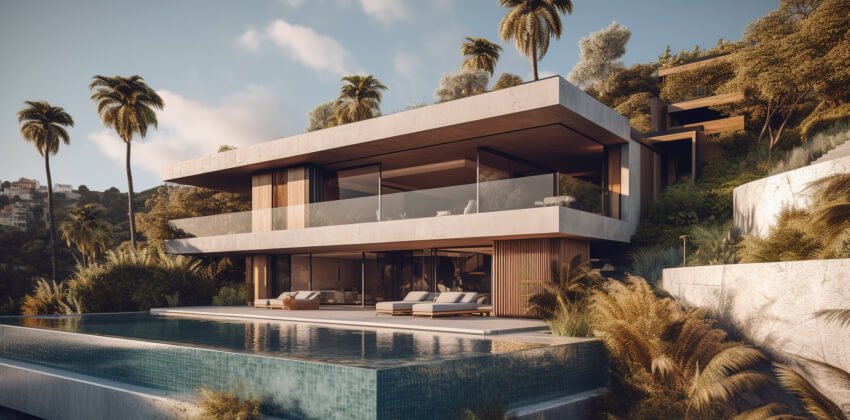
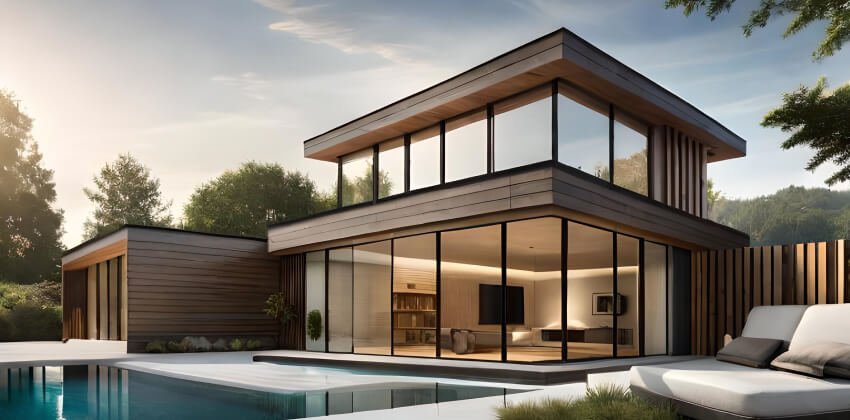
The foundation of any luxury space lies in its design blueprint. However, a visually stunning concept alone cannot define a functional luxury environment. Functional luxury emphasizes flow, usability, and comfort without compromising on elegance. Architects and interior designers increasingly focus on creating layouts that maximize natural light, optimize spatial organization, and enhance connectivity between areas such as living rooms, kitchens, bedrooms, and outdoor spaces.
A well-designed space anticipates needs, enhances comfort, and elevates everyday living.Interior Design Thought Leader

Smart Construction: Transforming Blueprints into Reality
Translating a blueprint into a luxury living environment requires precision engineering, advanced construction methods, and real-time collaboration. Smart construction technologies are pivotal in this transformation. Building Information Modeling (BIM) allows project stakeholders to visualize the complete structure in 3D, detect potential design conflicts, and simulate construction sequences before breaking ground. This proactive approach reduces errors, controls costs, and ensures timely completion. Prefabrication and modular construction are also gaining traction in luxury projects. Factory-built components maintain stringent quality standards, allow faster assembly on-site, and reduce material wastage. This efficiency is especially valuable in high-end interiors, where precision and finish are non-negotiable.
Materials and Finishes: Luxury Meets Sustainability
The choice of materials defines both the look and longevity of luxury spaces. High-performance, sustainable materials are increasingly preferred for their durability, environmental responsibility, and ability to enhance comfort. Examples include: • Engineered stone and recycled composites: Elegant, durable surfaces for countertops, flooring, and feature walls. • Smart glass and energy-efficient glazing: Regulate sunlight and maintain indoor climate without sacrificing aesthetics. • Eco-friendly paints and finishes: Low VOC coatings improve indoor air quality while maintaining rich textures and colors. Incorporating sustainable luxury materials not only reflects environmental consciousness but also ensures that the spaces remain refined, resilient, and timeless.

Technology as a Lifestyle Enhancer
Modern luxury spaces are incomplete without intelligent technology integration. Home automation systems manage lighting, HVAC, security, and entertainment with the touch of a button or via voice commands. Advanced sensors monitor energy consumption, air quality, and occupancy patterns, allowing residents to optimize comfort while reducing waste.
High-end installations also include:
- Automated shading systems for natural light control.
- Smart water and irrigation systems for efficient resource management in gardens and terraces.
- Integrated audio-visual ecosystems for seamless entertainment experiences.
The combination of functionality, convenience, and aesthetic sophistication ensures that luxury spaces are not just beautiful but truly living, breathing environments.
Crafting Personalized Experiences
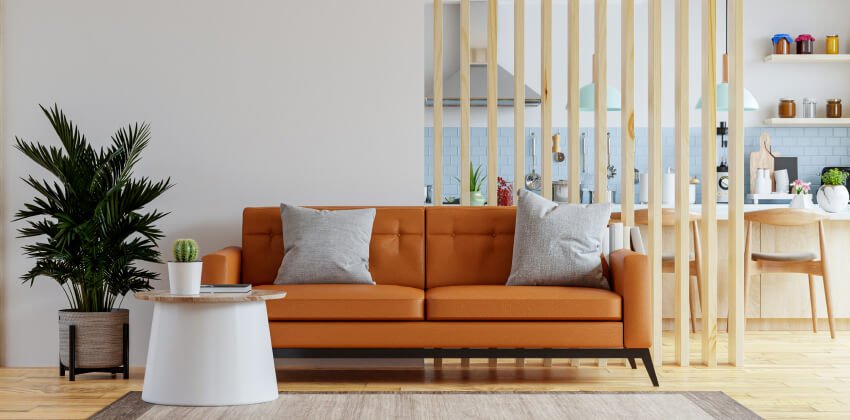
Every luxury space should reflect the personality and lifestyle of its inhabitants. Personalized design elements—from bespoke furniture to curated artwork—enhance the uniqueness of the environment. Architects and interior designers collaborate closely with clients to understand their routines, preferences, and aspirations, ensuring that every corner serves a meaningful purpose. This approach extends beyond interiors to outdoor and recreational areas. Thoughtfully designed terraces, lounges, home theaters, and wellness zones contribute to a holistic luxury experience that merges relaxation, productivity, and social interaction.
Precision Project Management
Delivering luxury spaces requires meticulous project management. Every phase—from material procurement to structural execution, interior finishing, and commissioning—is coordinated with precision. Advanced project management tools and digital dashboards allow teams to track timelines, budgets, and quality metrics, minimizing delays and ensuring alignment with the client’s vision. Quality control is paramount in luxury projects. Every fixture, surface, and joint is inspected to meet the highest standards. Smart construction techniques, including laser measurement tools and sensor-assisted monitoring, guarantee accuracy and consistency throughout the project lifecycle.
Sustainability and Functional Luxury
Sustainability is no longer optional in luxury construction—it is integral. Functional luxury spaces incorporate energy-efficient systems, renewable energy sources, and waste-reducing construction practices. Solar panels, greywater recycling, and smart HVAC systems ensure minimal environmental impact while reducing operational costs for homeowners. Sustainable design principles also enhance comfort and well-being. Optimized insulation, natural ventilation, and indoor air-quality monitoring contribute to healthier living environments, marrying eco-consciousness with modern luxury.
The Future of Functional Luxury Spaces
The future of luxury living lies at the intersection of smart construction, advanced technology, and sustainable design. Emerging innovations such as digital twins, AI-assisted design, and adaptive modular interiors promise even greater personalization, efficiency, and resilience. Architects and developers are embracing these tools to deliver homes that are highly adaptable to changing lifestyles, environmental conditions, and technological advancements. In this context, functional luxury is evolving into a dynamic, responsive experience rather than a static showcase of opulence.
Conclusion
Crafting functional luxury spaces is both an art and a science. It requires the convergence of visionary design, advanced construction techniques, sustainable materials, and intelligent technology. From blueprint to reality, the journey involves meticulous planning, innovative execution, and continuous refinement to deliver spaces that are elegant, practical, and environmentally responsible. Modern luxury living is no longer defined solely by grandeur—it is defined by the seamless integration of comfort, functionality, and sophistication. By embracing smart construction practices and sustainable design principles, developers and homeowners can create spaces that are not only visually spectacular but also intuitively livable, future-ready, and aligned with the highest standards of contemporary luxury.